

California high school football returned in late August 2026 with the usual mix of schedule questions, rivalry weight, and early roster evaluation. By September 5, 2026, the opener was no longer a preview item. The first wave of games had already given coaches film, families a first road-trip test, and local fans a clearer sense of which programs handled the first spotlight best.
The opening stretch also came with a calendar wrinkle. CIF materials in the supplied research identified August 21, 2026, as the first contest date, with Week 0 games tied to early non-league scheduling needs. At the same time, national high school schedules listed a major Southern California game one night earlier. That gap matters for readers because early-season labels can vary by schedule source, section calendar, and broadcast placement.
California High School Football Opener Dates
Why California High School Football Dates Mattered
The central date in the research was August 21, 2026, the listed first contest date for CIF football, with Week 0 games used for programs that needed an early non-league slot because of their bye structure. In practice, the opening window stretched across August 20 and August 21 in public schedules, which placed local athletic departments, families, and media outlets in a familiar position: verify the school calendar first, then read national listings as part of the larger picture.
For California high school football families, that difference was not just a technical point. A Thursday opener changes bus departures, classroom routines, band schedules, trainer coverage, and parent travel. A Friday opener fits the normal rhythm more cleanly, but it can create a heavier statewide slate and tighter staffing needs. The first week was a reminder that the opening game is an operation as much as it is a scoreboard event.
The Week 0 Label And Early Tests
Week 0 games served a clear competitive purpose: give programs a live non-league test before the schedule thickens. That can be especially useful for teams with new starters, new coordinators, or a schedule built around later league pressure. The research listed several high-profile early games, but it did not include final scores for every matchup, so any evaluation has to stay with what can be supported: the dates, opponents, and why those pairings carried weight.
One published national schedule listed Centennial of Corona against Servite of Anaheim for Thursday, August 20, 2026, at 7 p.m. Pacific, while also listing St. John Bosco of Bellflower against Bishop Gorman of Nevada on Friday, August 21, 2026 Yahoo Sports schedule. Those two games alone explain why the opener drew statewide interest. They involved programs with regional identity, college-recruiting attention, and fan bases used to measuring themselves against elite competition.
Matchups That Set The Early Pace
What California High School Football Teams Showed
California high school football did not need a full month to produce meaningful storylines. Centennial versus Servite paired a Corona program known in recent years for offensive firepower with an Anaheim program starting under a new staff. The research identified Rick Garretson as Servite’s new coach and named Centennial offensive pieces Jaden Jefferson at quarterback, Malaki Davis at running back, and Quentin Hale at wide receiver Centennial-Servite report. That made the matchup less about a single night and more about how quickly each sideline could answer early questions.
Centennial entered that opener with returning skill talent highlighted in the research. For a staff, that type of continuity can steady an opener, especially when the opponent is breaking in a new coaching group. For Servite, the game offered a clean first measure under Garretson: alignment, substitution rhythm, discipline after sudden-change plays, and how well the Friars could handle pace. Those are details that do not always show up in a short recap, but they matter once league play begins.
Bosco, Bishop Gorman, And The Out-Of-State Standard
St. John Bosco’s August 21 game against Bishop Gorman carried a different kind of value. A California power traveling into a matchup with a nationally ranked Nevada opponent puts the local program under an immediate stress test. It also gives college recruiters an early comparison point, since players are being judged against speed, size, and structure outside their regular section schedule.
For Bellflower and the broader Trinity League orbit, that kind of opener shapes perception before league games arrive. A team can learn about its pass protection, defensive communication, and special-teams coverage before the local rivalry cycle starts. Even without scores provided in the research, the scheduling choice said plenty: Bosco did not use the opener to ease in. It accepted a national-standard game right away.
Week 1 then brought more major pairings after the opener window. The research listed Santa Margarita against Corona Centennial from August 28-30 as a rematch tied to recent CIF Southern Section finals, and De La Salle at Serra-San Mateo on Friday, August 28, 2026, as a Bay Area game between top-ranked programs. By September 5, those games had already shifted from calendar items to film study, but the supplied notes did not include scores. The safe read is that those matchups extended the early pressure on teams expected to matter later.
Local Stakes Beyond The Scoreboard
Campus Planning And Family Travel
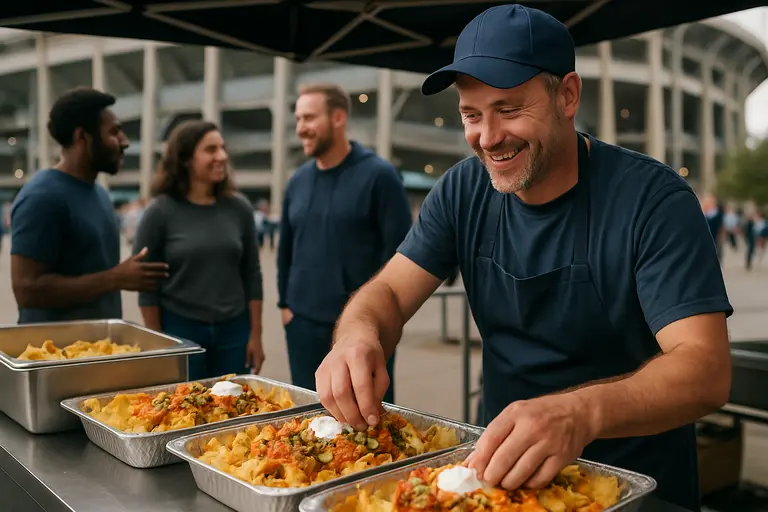
Opening week carries a local load that can be easy to miss from outside the stadium. A Thursday night varsity kickoff can affect student attendance the next morning, while a Friday road game can stretch family travel across county lines. Corona to Anaheim, Bellflower to an out-of-state opponent, and Bay Area matchups such as De La Salle at Serra-San Mateo each ask something different from players and supporters.
Coaches also use the opener to test more than starters. They need to know which second-unit linemen can handle a late drive, which defensive backs communicate after motion, and which special-teamers stay assignment-sound under pressure. In high school football, depth is often tied to campus size, development time, and injury luck. The first game rarely answers everything, but it identifies the areas that need work before league play takes hold.
Recruiting And Regional Identity
The opener also gave California players a stage before college staffs settled into their own fall routines. Skill talent at Centennial, a fresh Servite staff, Bosco’s national scheduling, and Bay Area power matchups all fed into the state’s recruiting conversation. For readers tracking the bigger picture, our early statewide rankings piece offered context on how programs entered 2026 before results began to sort the order on the field through the early statewide rankings.
That is where local identity enters the story. Southern Section programs carry one kind of weekly pressure, with travel, league depth, and national opponents often part of the schedule. Northern California powers face their own challenge: proving that section strength and program culture can travel against elite opposition. The opener did not settle those debates, but it restarted them with real games instead of offseason talk.
What The Opener Said About California High School Football
The First Read From Late August
The first read from the 2026 opener was simple: the state’s top programs did not wait for comfort. Centennial and Servite drew attention because of the contrast between returning offensive names and a new coaching staff. St. John Bosco and Bishop Gorman gave the opening weekend a national edge. Santa Margarita-Centennial and De La Salle-Serra-San Mateo kept the pressure high one week later.
For California high school football followers, the useful lesson is to treat the opener as a baseline rather than a verdict. Teams were sorting rotations, coaches were testing calls, and families were adjusting to the first full football weekend of the school year. By September 5, 2026, those opening games had already become teaching tape. The standings and brackets would come later, but the tone of the season began with ambitious scheduling and local programs willing to be measured early.