

The San Diego arena proposal tied to Midway Rising is more than a building plan for concerts and pro events. For local sports families, college programs, youth tournament directors, and fans who have spent decades finding their way into the Midway District, it could reset how San Diego hosts indoor events, moves crowds, and connects game-day activity with the surrounding neighborhood.
As of September 15, 2026, the project remained proposed, with major approvals still ahead. The plan centers on replacing the aging Pechanga Arena, also known as the San Diego Sports Arena, with a modern 16,000-seat entertainment arena as part of a larger redevelopment. The City of San Diego describes Midway Rising as a project planned for about 48.5 acres, with 4,250 homes, including 2,000 affordable units, plus parks, public space, retail, entertainment areas, and transportation improvements City project details.
What The San Diego arena Could Change For Sports
San Diego arena Capacity And Event Fit
The existing Pechanga Arena dates to 1966 and has long served as one of the city’s familiar indoor sports and entertainment addresses. Its listed seating range has been about 14,000 to 16,000 depending on event type, but age matters in venue planning. Locker room standards, back-of-house space, fan circulation, media areas, concession flow, accessibility, and event technology can shape whether organizers view a building as a strong fit for championships or higher-profile neutral-site events.
The proposed 16,000-seat arena would not necessarily make San Diego the largest indoor sports stop in Southern California. Its value would sit in the mix: a right-sized indoor venue in a coastal city with airport access, hotel inventory, college campuses, youth sports demand, and a sports fan base accustomed to traveling across the county for major events. That combination is why the San Diego arena discussion matters to more than developers and City Hall. It touches the everyday sports calendar, from club tournaments to college showcases to postseason-style events that need a reliable building and a neighborhood able to handle crowds.
Why A New Building Matters To Local Schedules
Venue age can limit scheduling flexibility. A modern arena can offer stronger load-in space, better fan entry patterns, upgraded premium and media areas, and building systems that reduce friction for event operators. Those details sound technical, but they affect local teams and families directly. A tournament that starts on time, moves spectators efficiently, and gives athletes proper preparation space can feel very different from one slowed by tight concourses, parking stress, or dated support areas.
San Diego has already shown it can support major sports moments across soccer, baseball, college athletics, combat sports, and community tournaments. The arena question is whether indoor sports can gain a venue that matches the ambitions of event organizers while still serving residents who live near the site. The answer will depend not only on seating, but also on how the city handles access, construction timing, traffic planning, and neighborhood protections.
Midway District Game-Day Planning
Traffic, Transit, And Fan Movement
The sports value of the Midway Rising proposal rests partly on what happens outside the arena doors. The plan includes transportation and infrastructure improvements such as roads, bike paths, and transit facilities, according to the City’s project description. For fans, that could mean a game-day experience shaped less by one parking decision and more by a set of options: driving, biking, rideshare, transit, walking from nearby restaurants, or moving between public spaces before and after an event.
That is especially relevant in the Midway District, where traffic has been one of the most visible concerns around the project. Families heading to youth events, students traveling for college games, and older fans leaving late-night events all need predictable access. If the final design does not reduce pinch points, the new building could inherit many of the frustrations tied to the current site. If access is handled well, the San Diego arena plan could give event operators a stronger case when bidding for sports weekends that bring fans from across the county and beyond.
Housing And Public Space Around Events
The redevelopment plan is not limited to an arena. The proposal calls for 4,250 homes, with 2,000 affordable units and about 2,250 market-rate units, along with public spaces and neighborhood-serving uses. For sports, that raises a practical question: can a district built for daily residents also succeed on high-traffic event nights?
The best version of the project would create a place where residents are not boxed in by event traffic and fans are not dropped into a disconnected parking field. Shops, restaurants, parks, and walking routes can spread activity across more hours, easing the crush immediately before tipoff, puck drop, a fight card, or a gymnastics session. Yet that benefit is not automatic. It depends on operating plans, clear pedestrian routes, transit frequency, and communication with nearby neighborhoods such as Point Loma and Ocean Beach, where support in the research notes was weaker than citywide support though still above 50% in a developer-backed April 2026 poll.
Economic Stakes For Local Sports Weekends
Business Activity Beyond The Turnstiles
The San Diego Regional Economic Development Corporation estimated in August 2025 that Midway Rising would generate about $285 million in direct annual impact, an economic scale compared in the research notes to another Comic-Con-level event regional EDC press releases. Sports weekends are a piece of that story. Visiting families book rooms, eat near venues, buy gear, pay for parking or transit, and often turn a tournament or championship into a short San Diego stay.
For high school and club sports, those dollars can matter. A well-run event brings value to hotels and restaurants, but it also gives local athletes a chance to compete at home in front of family members who might not travel to Los Angeles, Phoenix, or Las Vegas. For college programs, a better indoor venue can help with neutral-site scheduling, alumni events, and regional exposure. For event promoters, a modern building paired with a redeveloped district can help turn a single contest into a full weekend schedule.
Construction Benefits And Community Tradeoffs
The research notes also cite a projection of nearly $3 billion in total regional impact during construction, including more than $1.6 billion in wages. Those figures point to a project with consequences far beyond sports. Still, sports readers should care because construction phasing can affect access to the existing venue, nearby businesses, and youth sports travel routes through Midway.
There is also a preservation and identity question. Pechanga Arena has been part of San Diego’s event memory for decades. Replacing it would close a long chapter for fans who associate the building with first games, family nights, and community events. A new arena may offer better tools for future championships, but public trust will depend on whether the final plan respects that local memory while solving current venue problems.
Approvals, Concerns, And Sports Timeline
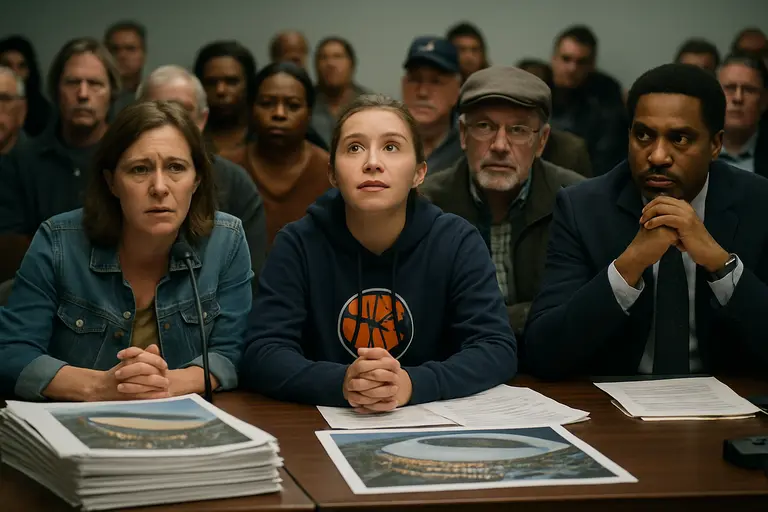
What Still Had To Happen On September 15, 2026
As of September 15, 2026, groundbreaking was tentatively planned for 2027, but the project still needed key steps, including final City Council approval of the lease and certification of the Environmental Impact Report. The research notes also state that California lawmakers approved SB 958 in August 2026 to help the project move past certain environmental review and height-limit barriers. Even with that legislative movement, the project had not become a finished sports venue.
That timing matters for athletic planners. Tournament directors, schools, and teams build calendars far in advance. Until approvals, construction phasing, and opening estimates are clearer, local sports organizations should treat the project as a major possibility rather than a guaranteed near-term venue. That does not weaken its importance. It simply keeps the analysis honest.
Neighborhood Questions That Shape Sports Use
Opposition in the research notes focused on traffic congestion, environmental risk, coastal view blockage, sea-level rise, migratory birds, and the loss of the historic arena building. Those concerns are not separate from sports. If neighbors see event nights as a burden, the building’s long-term sports value could suffer. If public agencies and developers address access, environmental review, and neighborhood operations in a clear way, the venue could earn broader acceptance.
San Diego sports have always relied on more than scoreboards. They rely on parents willing to drive, volunteers staffing events, small businesses handling surges, and communities accepting the rhythm of game days. A new arena plan has to serve that full network. The strongest sports outcome would pair a better event building with traffic planning and public spaces that make local families feel considered, not crowded out.
Why Midway Rising Matters To San Diego Sports
The San Diego arena proposal gives the city a chance to rethink how indoor sports fit into the Midway District. It could create a more competitive home for events, help local athletes play on a bigger stage, and give fans a district with more pregame and postgame options. It could also strain traffic, test neighborhood patience, and erase a familiar arena if the final plan does not carry enough public trust.
For now, the right sports-first view is cautious but attentive. The project is not just about replacing seats. It is about whether San Diego can build an arena district that works on a Tuesday youth event, a packed Saturday championship, and an ordinary weekday for residents living nearby. If the final approvals and design choices align with those needs, the San Diego arena plan could become one of the city’s most important sports infrastructure decisions in decades.