

The USF Comeback on September 16, 2026, gave San Francisco men’s soccer more than a dramatic scoreline. The Dons beat California 3-2 at Negoesco Stadium after trailing by two goals at halftime, a result confirmed in the program’s official match recap. For a local college soccer crowd, the night carried the feel of a turning point: a Bay Area opponent, a sold-out home venue, and a second half that changed the tone around a team trying to build staying power.
USF did not start from comfort. Cal struck in the 8th minute through Noe Morales and again in the 24th minute through Kieran Bracken Serra. By halftime, the Dons were down 2-0 and had a hard choice in front of them: chase the match with control or let the night slip into a missed home opportunity. What followed was a sharp second-half response built on pressure, finishing, and a back line that shut Cal out after the break.
How The USF Comeback Took Shape
First-Half Trouble Put USF Under Pressure
The opening half gave the Dons a clear warning. Conceding in the 8th and 24th minutes left San Francisco chasing the pace of the match far earlier than any team wants, especially at home. Cal’s early goals meant USF had to solve two problems at once: tighten up defensively and find enough quality in the attacking third to make the match feel reachable again.
That context matters because a 2-0 halftime deficit often forces a team into rushed decisions. Instead, San Francisco generated enough volume to show the match was not out of reach. The official box score credited USF with a 21-7 shot advantage and an 11-5 edge in shots on goal, while the Dons also led 10-5 in corner kicks in the match box score. Those numbers point to sustained pressure, not one brief spell of momentum.
Why The USF Comeback Turned So Quickly
The second-half goals came in a tight, decisive window. David Raphael scored at 54:28, Brayden Beason followed at 64:46, and freshman Sammy Long put USF ahead at 69:23. In less than 15 minutes of match time, San Francisco moved from chasing the game to protecting a lead.
Raphael was central to that surge. He scored his fifth goal of the season, then assisted on the final two goals. Beason added a goal and an assist, giving USF another attacking piece involved in multiple scoring moments. Long’s winner carried a different kind of weight: it was his first collegiate goal, and it came in the 70th minute against a local opponent in front of a packed home crowd.
What Changed After Halftime
Raphael And Beason Drove The Response
The USF Comeback was not built on one lucky bounce. Raphael and Beason gave the Dons production across several phases of the rally. Raphael’s goal reopened the match, but his two assists may have said even more about his influence. He did not stop at finishing; he helped connect the next two scoring plays. Beason’s goal and assist gave San Francisco another player capable of punishing Cal as the pressure grew.
For college teams, that kind of shared attacking work can matter as much as the final score. A comeback led by one player can be thrilling, but it can also raise questions about balance. Against Cal, USF had a primary playmaker in Raphael, a second major contributor in Beason, and a freshman finisher in Long. That spread of impact is the kind of detail coaches can use when teaching belief without ignoring structure.
The Back Line Finished The Job
San Francisco’s attack changed the scoreboard, but the defense made the comeback last. Lucas Jones and the USF back line held Cal scoreless throughout the second half. After conceding twice before halftime, the Dons did not allow another goal while the match tightened and the stakes rose.
That matters because rallies can fade if the defending team immediately gives back control. USF had to manage the emotional shift after tying the match, then again after taking the lead. Keeping Cal at zero goals after halftime showed enough composure to match the attacking burst. It also gave the win a fuller shape: response, control, then protection.
What The Win Means For The Dons
A Freshman Winner Adds Roster Trust
Long’s first collegiate goal will sit high on the match story, and not just because it won the game. Freshmen often earn trust through training habits, substitute minutes, or quiet work in lower-pressure moments. Scoring the winner in a 3-2 comeback against Cal is a faster route into the team conversation.
That does not mean one goal defines a season. It does mean the coaching staff saw a young player finish a major chance at a time when the match could have swung either way. For a team moving through a long schedule, those moments can widen the usable roster. More trusted contributors mean more options when matchups, fatigue, and game states start changing from week to week.
- Raphael gave USF a goal and two assists.
- Beason supplied a goal and an assist.
- Long scored his first collegiate goal as the winner.
- Jones and the back line held Cal scoreless after halftime.
Non-Conference Value Without Overstating It
The result moved San Francisco to 4-3-1 after the match, based on the official recap. A non-conference win over Cal does not settle a season by itself, and one comeback does not erase the early defensive issues that created the deficit. Still, it can carry value in how the Dons see themselves in tight matches and how they build a postseason case if the rest of the schedule supports it.
The USF Comeback also gave the staff clear teaching points. The first 24 minutes showed the cost of slow starts. The second half showed the benefit of pressure, fitness, and cleaner execution. A match with both extremes can be useful because it gives coaches evidence to praise and evidence to correct.
Why The Cal Result Matters At Negoesco Stadium
Home Support Turned The Night Into A Local Story
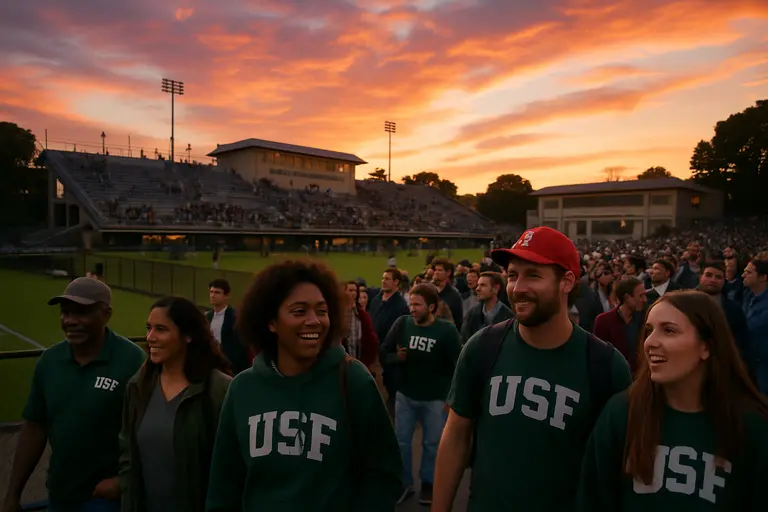
Negoesco Stadium matters in this story because the comeback happened in front of a sold-out crowd. College soccer can feel especially local on nights like this: students, families, alumni, and Bay Area soccer followers packed into a campus venue while two Northern California programs traded momentum. The setting did not score the goals, but it gave the match a sharper edge.
For USF, strong home performances can help build identity. Teams remember where belief was tested and rewarded. A two-goal rally against Cal at home gives the Dons a reference point when future matches get uncomfortable. It also gives supporters a concrete reason to stay attached to this group beyond the final score.
The Twenty-Year Note Adds Weight
The official recap reported that this was the first time in the last 20 years that San Francisco erased a 2-0 deficit to win this match. That detail separates the night from a routine comeback. It was rare within the program’s recent record, and it came against Cal, which gives the result more pull for local fans.
The USF Comeback should not be treated as a guarantee of what comes next. Soccer seasons are shaped by consistency, health, finishing, and defensive habits over many matches. But rare wins can reset a team’s internal standard. Once players have proof that a two-goal deficit can be overturned, the next hard match may feel less final at halftime.
USF Comeback Against Cal And The Season Signal
What The Dons Can Carry Forward
The clearest season signal is not that USF is suddenly complete. The clearest signal is that the Dons showed enough attacking depth and late-match discipline to turn a poor first half into a valuable win. Raphael’s production, Beason’s two-way attacking impact, Long’s freshman breakthrough, and the second-half shutout all gave San Francisco pieces to build on.
The work is just as clear. USF allowed two early goals, and stronger starts will be needed if the Dons want to avoid chasing matches. The team also created enough chances to dominate the shot count, which is encouraging, but earlier finishing would reduce pressure on the back line. The best version of this team will need both halves of the Cal match: the urgency of the rally and the control that came after the winning goal.
The USF Comeback gave the Dons a memorable home result on September 16, 2026. More than that, it gave San Francisco a useful measure of its resilience. If the Dons use the match as a standard rather than a one-night emotional high, the Cal win could remain one of the key reference points of their 2026 season.