

Firebirds Training Camp gave Coachella Valley hockey fans a September checkpoint that was about more than roster work. The Firebirds began a joint camp period with the Seattle Kraken on September 17, 2026, in Seattle, then opened their own camp in Thousand Palms on September 22, 2026, according to KESQ reporting. That sequence placed the American Hockey League club inside its NHL affiliate’s training setting first, then brought the preparation back to the desert, where the team’s local identity is built night by night.
The available public record does not confirm a slate of Firebirds-specific meet-and-greets or open practices in Coachella Valley tied directly to the September 2026 camp launch. That matters, because community engagement should not be padded with guesses. What can be measured is the structure around the launch: shared access in Seattle, a return to Thousand Palms, and a 2026-27 promotional schedule that the organization framed around local groups, cultural nights, educators, first responders, military recognition, and fan-friendly game-day changes.
What Firebirds Training Camp Showed About Access
Firebirds Training Camp And Fan Access
The first layer of community connection came through the NHL-AHL relationship. The Firebirds were in Seattle alongside the Kraken before returning to Coachella Valley, and the Kraken’s camp environment gave fans a clear point of contact with the broader player-development system. Kraken training camp practices at Kraken Community Iceplex were described by the team as open and free to fans through its official camp announcement. The research available does not say every Firebirds activity in Seattle was a public session, but the shared setting created a visible path between the NHL club, its AHL affiliate, and supporters who follow prospects before they become full-time NHL names.
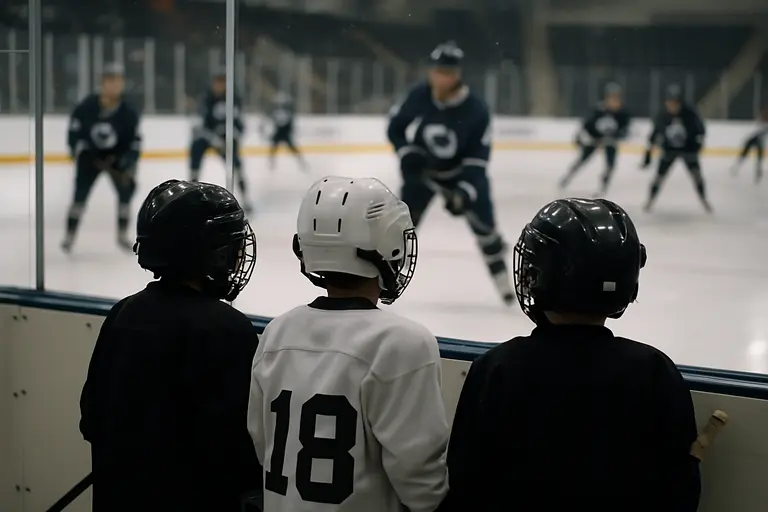
That kind of access has value for a market like Coachella Valley. AHL teams are not just minor-league stops; they are places where player development becomes local entertainment. Fans learn names before the wider hockey audience does. Families see players before the NHL call-up. Youth players can connect skating drills, practice tempo, and off-ice habits to athletes who are still close enough to the community to feel reachable.
Seattle Start, Desert Return
The September 17 start in Seattle also served a practical hockey purpose. It placed prospects, returning AHL players, and organizational depth pieces in front of Kraken staff before the Firebirds opened their own camp on September 22 in Thousand Palms. For Coachella Valley, that return date mattered. It brought the focus back from the parent club’s facility to the local base, where the Firebirds have built a fan culture around proximity, repeat attendance, and a building that serves as a gathering point for valley sports fans.
The community angle is not only about whether a practice door is open. It is also about how a team signals that camp is the start of a longer relationship with fans. By staging the launch through Seattle and then Thousand Palms, the Firebirds connected the player pipeline to the local market. The message was simple: the players trying to earn roles in September are the same players many local fans will follow through winter and spring.
Community Themes Around The 2026-27 Calendar
Theme Nights With Local Meaning
The Firebirds’ 2026-27 promotional calendar, announced before camp, supplied the clearest community framework surrounding the launch. The schedule included nights tied to educators, military members, first responders, cancer awareness, Pride Night on January 9, 2027, Día de los Muertos on October 30, 2026, and Teacher Appreciation Night on March 31, 2027. Those dates stretch the meaning of September preparation into a full season of local recognition.
For a Coachella Valley audience, those themes are not side notes. Día de los Muertos carries cultural weight across Southern California communities. Teacher Appreciation Night reaches school districts, families, and youth hockey households. First responder and military recognition nights connect to people who often sit in the same sections as families, retirees, and local workers. The result is a calendar that treats the arena as a civic room as much as a rink.
- Día de los Muertos was listed for October 30, 2026, giving the club a date with direct cultural connection in the region.
- Pride Night was listed for January 9, 2027, adding an inclusion-focused event to the winter schedule.
- Teacher Appreciation Night was listed for March 31, 2027, tying late-season hockey to local classrooms and school communities.
- First responder and military recognition events gave the team recurring ways to connect the game-night crowd with public-service groups.
Why Theme Nights Matter After Camp
Training camp is short, but a promotion schedule shapes habits. If families see the September launch as the start of a season that includes affordable entry points, earlier weekday starts, and pregame interaction, the team becomes easier to work into school nights, work schedules, and weekend plans. That is where community engagement becomes more than a slogan. It shows up in start times, ticket choices, food costs, and the feel of the concourse before the puck drops.
The Firebirds have also used specialty jerseys tied to theme nights for auctions through the DASH Auction App, with proceeds benefiting local nonprofit organizations. The research does not identify which 2026-27 beneficiaries are connected to each future theme, so it would be premature to name them. Still, the practice shows how a hockey promotion can move beyond entertainment when it is paired with charitable fundraising.
How The Launch Fit The Firebirds’ Local Identity
A Team Still Building Everyday Roots
The Firebirds are not an older California club with decades of inherited habits. Their connection with the valley has been built through routine: home dates, school-night planning, families in the seats, and prospects who become familiar because fans see them often. Firebirds Training Camp helped reset that routine after the offseason. It gave supporters a point in the calendar when roster questions, youth hockey interest, and local anticipation could begin to meet.
That matters in a region where pro sports can serve as a shared thread across different cities and neighborhoods. Thousand Palms, Palm Desert, Indio, Cathedral City, La Quinta, and the wider valley do not always gather around the same event. Firebirds home dates have become one of the exceptions. A camp launch, even when not packaged as a major public festival, helps restart that shared calendar.
Player Development As A Local Story
The AHL’s player-development role gives local fans a different relationship with athletes than many major-league settings allow. Fans are watching players work for promotion, recover form, learn systems, and earn trust. That makes practices, preseason games, and early-season line combinations part of the story. It also gives local youth players a closer model of progress: not every step is a highlight; many steps happen in drills, meetings, conditioning, and role competition.
Firebirds Training Camp carried that meaning because it linked the Kraken’s evaluation period with Coachella Valley’s own team rhythm. The two exhibition games tied to the Seattle portion of the camp period were part of that process, though the research provided here does not include scores or player-by-player results. Rather than inventing impact, the safer reading is that the games gave staff another evaluation point before the Firebirds shifted into their local camp setting.
What Firebirds Training Camp Means For Coachella Valley
Firebirds Training Camp should be read as the front door to the team’s 2026-27 community plan, not as a standalone event with every detail publicly documented. The confirmed facts are clear: the Firebirds started with Seattle on September 17, returned to open their own camp on September 22, and entered a season schedule built around local recognition, fan access, and theme nights with regional meaning.
The uncertainty is also clear. There is no high-authority reporting in the supplied research that confirms specific Firebirds open practices, autograph sessions, or public community events in Coachella Valley during the late-September camp window. That gap does not erase the local impact, but it keeps the analysis grounded. The strongest supported point is that the organization used the camp launch as part of a larger bridge between development hockey and community-facing programming.
For the valley, the value sits in that bridge. Fans get a team close to home, young players get a market that pays attention, and local groups get dates on the calendar that recognize their place in the community. If the Firebirds continue pairing player access with practical game-day planning and culturally relevant nights, September camp can keep serving as more than a roster checkpoint. It can remain the moment when Coachella Valley hockey starts feeling local again after the offseason.