

Southern California sports carry weight far beyond the scoreboard. In Los Angeles and Orange counties, a packed gym, a college rivalry, a pro matchday, or a citywide race weekend can become a meeting point for families, students, alumni, workers, small businesses, and neighbors who may not share much else during the week. The strongest local sports stories are not only about who won; they are about who showed up, who felt included, and how the event gave a community a shared place to gather.
Why Southern California Sports Gather People
Southern California Sports As A Meeting Place
Local events work because they create routine. A Friday night game gives students a reason to stand together. A college home date pulls alumni back to campus. A pro schedule gives neighborhoods a rhythm around transit, restaurants, parking, and pregame meetups. Those patterns matter in a region where daily life can be spread across long commutes and separate cities. Sports compress that distance into a few hours of shared attention.
The Los Angeles Basin, defined in the research as Los Angeles and Orange counties, shows how large that shared attention can become. In 2023, professional and collegiate sports in the basin supported about 83,880 jobs, generated about $8.9 billion in labor income, and contributed about $704.8 million in state and local tax revenues, with direct revenues up 22 percent from 2022, according to the LAEDC sports study. Those figures do not replace the emotion of a game, but they show why matchday crowds are tied to local paychecks and public budgets.
Rivalries Without Isolation
The best local rivalries give people a side to claim without cutting them off from the other side. High school games do this through marching bands, student sections, family seating, and postgame handshakes. College programs do it through campus identity and alumni ties. Pro teams do it through neighborhood watch parties, stadium rituals, and return trips that become part of family calendars. The result is a civic habit: people gather, disagree loudly for a few hours, then return to the same streets, schools, and workplaces.
That is why attendance matters as more than a business metric. The research notes that attendance at professional sports events across major leagues in Southern California rose by an average of 4.3 percent from 2022 to 2023. That increase suggests that fans were not just following teams from a distance; they were returning to venues and public sports spaces where community ties can be rebuilt face to face.
School Gyms Can Set The Tone
Southern California Sports At School Level
For families, Southern California sports often start at school. That is where younger fans learn chants, see classmates compete, watch coaches model standards, and understand that a crowd can lift more than the varsity starters. The school gym is smaller than a pro arena, but its social reach can be wider inside a community because nearly everyone has a direct tie: a student, a sibling, a teacher, a coach, or a neighbor.
A clear example came on March 20, 2026, when Thousand Oaks High School hosted a Unified Basketball game between students with and without intellectual or developmental disabilities. More than 700 students filled the gym as the event centered inclusion and school culture, according to Yahoo Sports. The value of that night was not only in participation; it was in the student body treating inclusion as a sports moment worthy of a full crowd.
Inclusion As A Team Habit
Unified events help shift how schools define athletic success. The crowd is still reacting to passes, shots, hustle, and effort, but the meaning widens. Students who might not always be at the center of campus sports culture become athletes in front of their peers. Classmates learn to cheer for teamwork rather than status. Coaches and staff get a platform to connect competitive habits with empathy and belonging.
That same thread connects with local coverage of Unified Sports in SoCal, where the broader lesson is similar: when schools make room for more athletes, they also make room for more families in the stands. The crowd becomes part of the program. It signals that support is not reserved for one roster or one division.
The Local Sports Economy Behind The Crowd
Jobs, Attendance And Local Spending
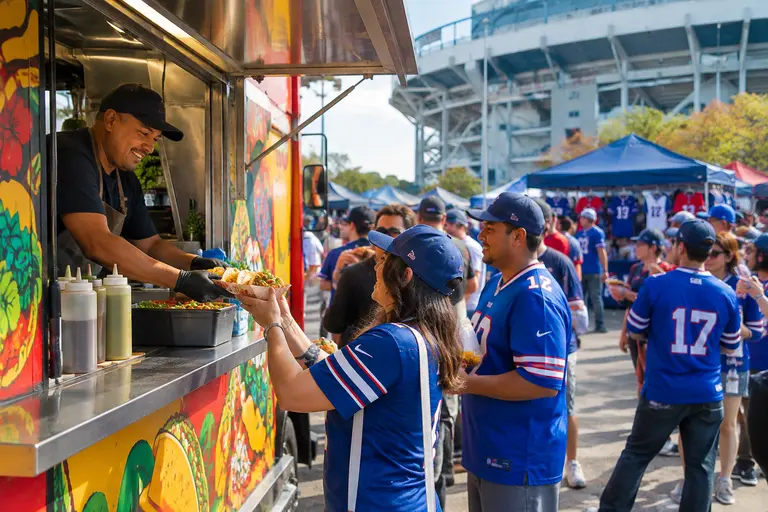
The community impact of sports is easy to feel and harder to measure, but the verified numbers from the Los Angeles Basin give the feeling some shape. Jobs connected to sports include more than athletes and coaches. Venue staff, security teams, food service workers, transportation crews, media workers, hospitality staff, trainers, and event operations workers all sit somewhere behind the fan experience. When crowds return, those roles are touched too.
The 2023 data from the LAEDC study show the scale: about 83,880 jobs supported and about $8.9 billion in labor income tied to professional and collegiate sports in Los Angeles and Orange counties. For local fans, that means a game is also part of the region’s workweek. A ticket scan, a concession line, a hotel stay, or a postgame meal can connect the emotional life of a team to the economic life of a neighborhood.
Why College Programs Matter
College athletics add a different layer because campuses already function as local hubs. Students, parents, faculty, alumni, and nearby residents can all gather around a program even when they have different relationships to the school. A home event can be a recruiting showcase, a family visit, a campus fundraiser, or a neighborhood night out. In a region with many colleges and universities, that network spreads sports culture across more than one downtown or stadium district.
That matters for Southern California sports because the region’s identity is not held by one team alone. It is shared by public universities, private campuses, community colleges, high schools, youth clubs, and pro organizations. Each level gives fans a different entry point. A child who starts by watching a sibling at a school gym may later follow a college team, then build lifelong habits around a pro club. The pipeline is cultural as much as athletic.
- Schools create first points of belonging through classmates, families, and campus pride.
- Colleges connect sports to alumni networks, local business activity, and student life.
- Professional teams give the region shared dates, larger venues, and wider fan rituals.
What Southern California Sports Mean For Neighbors
Shared Rituals After The Scoreboard
The most lasting part of a local event often happens around the game rather than inside the final score. Parents organize carpools. Students paint signs. Local restaurants prepare for a rush. Alumni text old classmates. Younger siblings watch older athletes and start imagining their own turn. These rituals are small, but they are repeated often enough to build a sense of place.
Sports also give communities a way to recognize people who might otherwise be missed. At Thousand Oaks High, the Unified Basketball event showed how a school crowd could turn inclusion into a public celebration. In the Los Angeles Basin numbers, the economic reach shows how many workers and families are tied to sports activity. The two examples sit at different scales, but they point in the same direction: local sports are strongest when they connect participation, attendance, and community care.
A Community Lens For Future Events
For city leaders, athletic departments, school administrators, and fan groups, the lesson is practical. Access matters. Scheduling matters. Transportation, school spirit, family affordability, and inclusive programming all shape who gets to take part. A successful event should not be measured only by crowd size or revenue. It should also be judged by whether people felt welcome, whether local workers benefited, and whether the event strengthened ties that remain after the lights go out.
Southern California sports will keep drawing attention because the region has major teams, deep school traditions, and a large fan base. Yet the heart of the story is still local. A full gym in Thousand Oaks and a basin-wide economic report are not separate stories. Together, they show that sports can gather a region at many levels, from a student section cheering inclusion to thousands of workers whose livelihoods are connected to the next home date.