

Jersey patch deals became a California college sports story in 2026 after Cal and Stanford each announced broad sponsorship agreements tied directly to varsity uniforms. By October 5, 2026, the story was no longer just about a small logo on a jersey. In Berkeley and at Stanford, it had become a window into how athletic departments are trying to support teams across football, basketball, Olympic sports, digital media, NIL opportunities, and the everyday costs of running major college programs.
How Jersey Patch Deals Reached California Campuses
The NCAA approved commercial advertisements on uniforms and equipment in January 2026, with the policy taking effect on August 1, 2026. The approval applied to regular-season and non-championship competitions, while NCAA championship games were not included unless postseason rules committees made separate decisions, according to AP coverage of the uniform policy. That distinction matters for athletes and fans because the same team could wear sponsored uniforms in a regular-season setting and then face different rules in NCAA championship competition.
Why Jersey Patch Deals Fit Cal And Stanford
For California universities with large varsity departments, the rule change created a new sponsor category that could touch more than one marquee team. Cal announced its multi-year agreement with Dialpad on July 14, 2026. The deal covered all 30 Cal varsity sports and was described in the research as the largest corporate partnership in the history of Cal Athletics. Stanford followed on September 25, 2026, announcing DoorDash as its official jersey patch partner across at least 15 varsity programs, including football and basketball. Stanford also described that partnership as the largest in its athletics history.
The NCAA Line On Patches
The policy did not turn uniforms into open advertising space. The research notes a maximum patch size of 4 square inches per logo, which keeps the school identity and team colors at the center of the uniform. That size limit is especially relevant in college sports, where athletes are representing universities, alumni communities, families, and local recruiting pipelines. The patch may bring in new money, but the uniform still belongs first to the team.
Why The Bay Area Moved Early
California’s early activity stands out because Cal and Stanford did not present their agreements as narrow football-only arrangements. Each school tied the sponsor relationship to a wider athletics department strategy. That is a key difference from deals that cover only a handful of high-visibility sports.
Cal Took A Campus-Wide Route
Cal’s agreement with Dialpad was especially broad because it covered every varsity sport at the university. The research also noted that the partnership included naming rights for the Dialpad Field Club, on-field logos, apron logos visible on television, stadium signage, radio and digital advertising, and NIL activation components. For Berkeley athletes outside the highest-profile sports, that breadth matters. A patch program tied to all 30 varsity teams gives non-revenue athletes a place in the same commercial conversation as football and basketball, even if the exposure level differs by sport.
Stanford Added A Broad DoorDash Agreement
Stanford’s DoorDash agreement also reached beyond one team. The official patch was set to appear on at least 15 varsity programs, with football, basketball, and other major and non-revenue sports included in the research. These jersey patch deals show how California schools can sell a department-wide identity rather than only a single broadcast property. That approach may be attractive to sponsors seeking repeated campus exposure across fall, winter, and spring sports schedules.
Neither Cal nor Stanford publicly disclosed full financial terms in the research provided. That leaves some uncertainty around annual value, sport-by-sport allocation, and how much of the benefit will flow to team operations, NIL efforts, facilities, or department-wide budgets. What can be said is narrower but still meaningful: both schools framed the agreements as the largest athletics partnerships in their respective department histories.
What The New Patch Model Changes
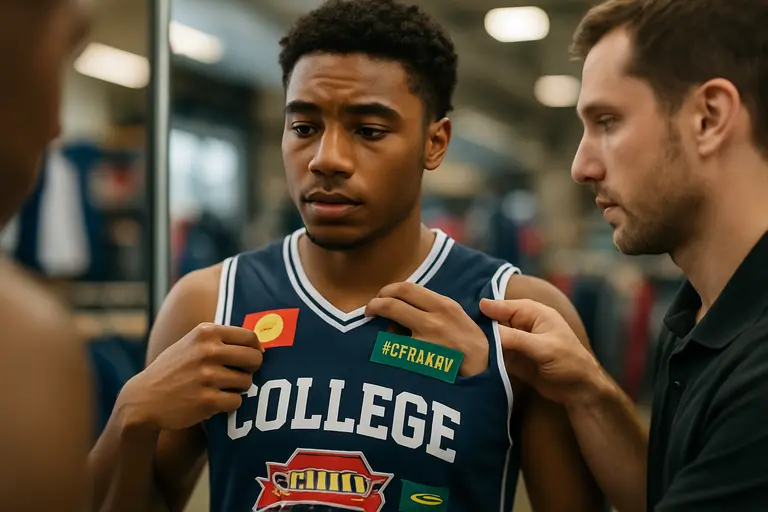
The California announcements arrived during a national rush. By early September 2026, more than 68 patch agreements had been announced across college athletics, and at least 20% of those came after the August 1, 2026 policy start date, according to Yahoo Sports’ report on patch partners. Cal was identified in the research as the 23rd school nationally to announce a patch sponsorship after the NCAA cleared the way in January.
Beyond The Front Of The Uniform
The most active schools are not treating the patch as the whole deal. Cal’s agreement, as described in the research, included venue naming rights, visible field and apron inventory, signage, radio, digital advertising, and NIL activation components. That tells a larger sports-business story: the patch is the most visible piece, but the full package can connect broadcasts, stadium access, athlete marketing, and department media channels. For fans, the logo may be what they notice first. For athletic departments, the value is in the full set of assets surrounding the teams.
Why Olympic Sports Matter Here
College sponsorship often follows the largest audiences, but broad patch arrangements can pull Olympic and non-revenue sports into the same sponsor framework. That matters at schools with deep varsity offerings. A swimmer, volleyball player, gymnast, rower, or track athlete may not appear in the same broadcast windows as football, but the uniform is still part of the school’s public face. If sponsor money is structured across the department, these athletes become part of the visible value of the partnership rather than sitting outside the commercial plan.
- Cal’s Dialpad agreement covered all 30 varsity sports.
- Stanford’s DoorDash agreement covered at least 15 varsity programs.
- The NCAA policy applied to regular-season and non-championship competition.
- Cal and Stanford did not disclose full financial terms in the research provided.
UNLV’s five-year, $11 million deal with Acesso Biologics, announced on December 8, 2025, offers one public comparison point outside California. That agreement covered football, men’s basketball, women’s basketball, and baseball. The Cal and Stanford agreements were different in scope, but without public financial details, any direct dollar comparison would be incomplete. The safer read is that California schools used the new category to package more sports, not just to copy a single-team sponsorship model.
What California Jersey Patch Deals Mean Locally
For local fans, the change will be most visible on game days, but the effect reaches deeper than the uniform. Athletic departments face rising costs across travel, staffing, facilities, athlete support, media production, and competitive scheduling. Sponsor agreements tied to jerseys create another revenue channel at a time when schools are trying to support broad rosters without cutting back the sports that give campuses much of their identity.
Local Revenue Without Losing The Team Story
The balance for California universities is clear: bring in new commercial support without letting the sponsor message overtake the athlete story. The 4-square-inch limit helps set that boundary. So does the continuing exclusion of NCAA championship competition unless separate postseason decisions are made. The patch is visible, but it is not the event. The athletes, coaches, rivalries, families, and campus communities remain the reason people care.
The strongest version of jersey patch deals in California will be the one that helps athletic departments support more teams while keeping the focus on competition. Cal and Stanford moved early, and both chose broad agreements that reached well past one program. That makes the trend worth watching across the state’s college sports scene, especially for athletes in sports that rarely receive the same commercial attention as football and basketball.