

CIF Background Checks have moved from a policy conversation to a statewide requirement shaping how California high school games are staffed. For families in gymnasiums, on football sidelines, beside pools, and around ballfields, the change is not about changing the score of a contest. It is about who is cleared to work around student-athletes before the first whistle, first pitch, or opening tip.
On September 18, 2026, Governor Gavin Newsom signed AB 1572, Chapter 267, Statutes of 2026, requiring California Interscholastic Federation officials to register each year through a CIF-selected platform that verifies eligibility AB 1572 bill record. The law sits squarely inside the day-to-day structure of local high school sports: officials, assignors, athletic directors, coaches, and school communities all now have a clearer set of steps before an official can work a CIF contest.
What CIF Background Checks Change For Game Nights
Why CIF Background Checks Start Before Assignments
The biggest shift is timing. The eligibility check is designed to happen before an official receives an assignment, not after a concern arises. Under the CIF registration approach cited in the research, sports officials must complete screening, testing, and registration steps before being eligible to work contests. That matters most at the local level, where weeknight schedules can be tight and schools rely on officiating associations to cover multiple sports across the same window.
A football game in one town, a volleyball match across the county, and a water polo contest after school may all depend on a limited pool of officials. The law does not remove that staffing challenge. It does, however, draw a firm line: only officials marked eligible through the platform may be assigned. For athletic departments, that turns eligibility from a handshake process into a documented requirement.
The practical impact of CIF Background Checks is that safety review, rules preparation, training, insurance, and assignment eligibility are tied together. The research notes that registration includes rules tests, online or sport-specific training, continuing education, liability insurance, and verification that all requirements are satisfied before assignment. For families, that means the person enforcing rules on the court or field has cleared more than a sport knowledge test.
What Families May Notice
Most spectators may not see the registration process. The referee still checks equipment, the umpire still manages the plate meeting, and the official still handles substitutions and sportsmanship. The difference is behind the schedule sheet. Assignors and officiating associations are expected to verify eligibility before sending an official to a CIF contest, and the research says they are prohibited from assigning an ineligible official.
That matters in community sports because parents often judge safety by what they can see: sideline supervision, security presence, athletic trainers, and how adults respond when a game gets heated. This policy adds a less visible layer. It sets a statewide standard for who can step into the competition space with students, coaches, and school staff.
The AB 1572 Timeline For Officials
From Interim Screening To ASCC Clearance
The timeline is one of the clearest parts of AB 1572. From the law’s effective date through June 30, 2028, the CIF-selected platform must include a statewide and standardized background screening. Starting July 1, 2028, officials will need a valid Activity Supervisor Clearance Certificate, known as an ASCC, which includes fingerprinting through the California Department of Justice and the FBI.
That two-step timeline gives local officiating groups and school partners a transition period. It also sets a firmer endpoint. By July 1, 2028, eligibility will be tied to ASCC status rather than only the interim screening system. For veteran officials, new officials, and people considering officiating as a way to stay close to school sports, the requirement becomes part of the path into assignments.
CIF had already moved to mandatory registration through its Arbiter platform from June 1, 2026, according to a CIF officials registration notice shared by the San Diego County Football Officials Association CIF registration notice. Because that date has passed as of November 3, 2026, officials working within that system have been dealing with the registration requirement before AB 1572 was signed into law.
What The July 2028 Date Adds
The July 1, 2028 change adds an outside credentialing piece to the process. The research states that CIF must use ASCC records that include expiry information, and the state Commission on Teacher Credentialing must publish lists of ASCC certificates that have been suspended or revoked. CIF must check that list on a regular basis and revoke eligibility when required.
For schools, that creates a clearer paper trail. For officials, it means eligibility is not a one-time item checked at the start of a career. Annual registration remains central, and clearance status can affect whether an official is available for assignments.
How Local Assignors And Schools Adjust
Eligibility Becomes Part Of The Schedule
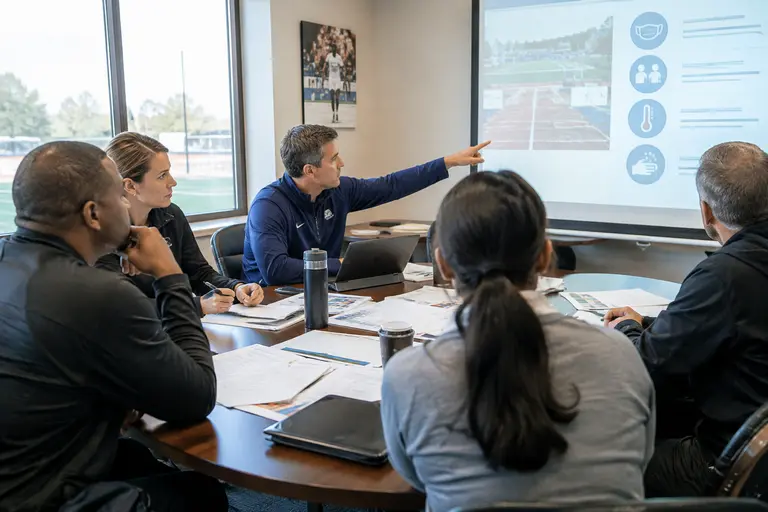
High school sports run on calendars, bus times, field availability, and officials. The new requirement adds another layer to game-day operations, but it is one rooted in accountability. Assignors must know not only who can call a game, but who is eligible under the platform. Schools, in turn, need confidence that the crews arriving at their events have met the required steps.
That could affect how local officiating groups plan for busy periods. Tournament weekends, rivalry games, rain makeups, and postseason events already put pressure on the available officials pool. If an official has not completed registration, screening, rules testing, training, insurance, or later ASCC clearance, that person cannot simply be added to a game to fill a gap. The assignment process now has a safety gate built into it.
This is where CIF Background Checks connect directly to the rhythm of local athletics. A policy written at the state level reaches the scorer’s table, the chain crew area, the deck, the diamond, and the officials room. Athletic directors and assignors may need to communicate earlier and track eligibility more closely, especially in sports where official shortages are already a concern.
Why Standard Rules Matter Across Sections
California high school sports include public, private, and charter school communities under the CIF structure. A statewide rule reduces the chance that one area applies a stricter process while another relies on looser local practice. The safety standard follows the contest rather than depending only on local custom.
The research describes the purpose as closing a gap. Coaches and school employees have commonly been subject to criminal background checks or ASCC requirements, while sports officials were not uniformly required to follow the same kind of statewide clearance path. AB 1572 gives CIF a more consistent way to confirm that officials meet baseline eligibility rules before they work with student-athletes.
- Officials must register annually through a CIF-selected platform.
- Eligibility includes background screening during the transition period, then ASCC clearance beginning July 1, 2028.
- Rules testing, sport-specific training, continuing education, and liability insurance are part of the registration framework.
- Assignors and officiating associations may not assign officials who are not marked eligible.
Why AB 1572 Matters For Local CIF Safety
Prevention Rather Than Reaction
The safety case for CIF Background Checks is preventive. The research does not provide published statistics proving that prior incidents in California high school sports were tied to the absence of official background checks. That distinction matters. The policy should not be sold as a response to numbers that have not been provided. Its value is in reducing risk before students compete.
High school games place adults in positions of authority around minors. Officials manage conflict, enforce rules, interact with coaches, and sometimes speak directly with student-athletes during tense moments. A consistent clearance process cannot guarantee perfect conduct, but it can help identify people who should not be placed in those roles. It also gives schools and families a clearer answer when they ask how adults around games are screened.
For local sports communities, trust is part of participation. Parents volunteer at concession stands, students stay late for practices, and schools open their facilities to visiting teams. When a game official walks onto the field, that person becomes part of the school event. CIF Background Checks make that role subject to a statewide eligibility system rather than an uneven patchwork.
What The Policy Means For The People In Stripes
The policy also affects officials themselves. Good officials want safe, orderly contests. They also want a system that makes expectations clear. Annual registration, training, testing, insurance, and clearance requirements may add steps, but they also define what it takes to be eligible. That can protect the credibility of officials who complete the process and show up prepared.
There is a balance to watch. California schools need officials, and any added requirement can create pressure if people delay paperwork or decide not to continue. Still, the research supports one firm conclusion: eligibility verification is now part of the structure of CIF competition. The strongest local response will be early communication among schools, assignors, and officiating associations so games are covered without weakening the safety standard.
For student-athletes, the rule is another piece of the safety net around high school sports. For schools, it is a compliance duty tied to scheduling. For officials, it is now part of being ready for assignment. For communities that build fall Fridays, winter tournaments, and spring playoffs around school athletics, CIF Background Checks mark a clear shift toward documented trust before competition begins.